
5 Hidden Germ Hotspots in Your Child’s Bedroom
Keep your child’s bedroom cleaner and healthier by discovering the 5 hidden germ hotspots most parents overlook. From stuffed toys and bedding to light switches and gaming devices, germs can build up quickly in everyday spaces. In this blog, Safe Sensor Kids shares practical cleaning tips and smart hygiene habits to help parents create a safer environment for children ages 0–12. Learn simple ways to reduce bacteria, allergens, and dust while promoting better sleep, wellness, and peace of mind for your family
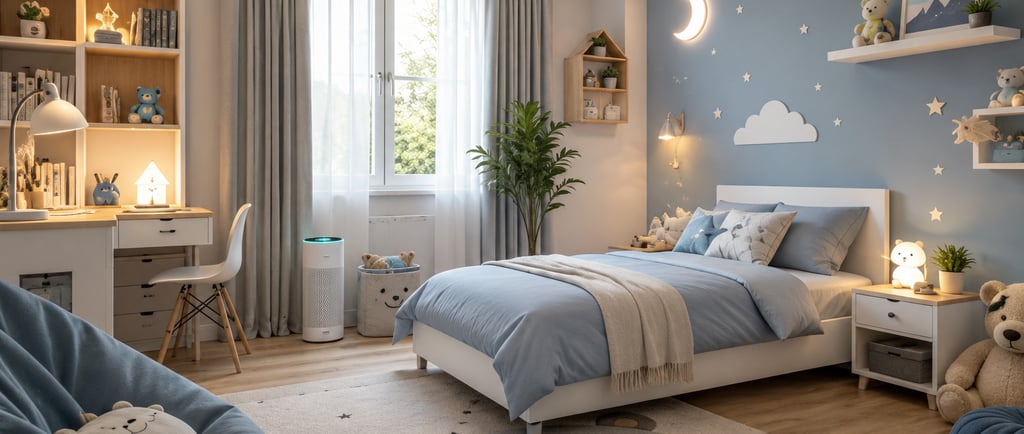

5 Hidden Germ Hotspots in Your Child’s Bedroom
The Surprising Places Germs Love to Hide — and How Parents Can Keep Them Clean
When parents think about germs, they usually focus on bathrooms, kitchens, or public places. But your child’s bedroom may be hiding more bacteria than you realize. From cuddly toys to light switches, everyday items can collect dust, allergens, and harmful germs that may affect your child’s health.
At Safe Sensor Kids, we believe a safer environment helps children grow healthier and happier. Here are five hidden germ hotspots in your child’s bedroom — and simple ways to keep them clean.
1. Stuffed Animals & Soft Toys
Stuffed animals are comfort companions for many children, but they can also trap dust mites, saliva, sweat, and bacteria over time.
Why It Matters
Children often sleep with soft toys close to their faces, increasing exposure to allergens and germs that can trigger sneezing, coughing, or skin irritation.
Cleaning Tip
Wash machine-safe stuffed toys weekly in warm water.
Place non-washable toys in a sealed freezer bag overnight to reduce dust mites.
Limit the number of plush toys on the bed.
2. Bed Sheets, Pillows & Mattresses
Your child spends hours sleeping every night, making bedding one of the biggest hidden germ zones.
Common Hidden Problems
Sweat buildup
Dead skin cells
Dust mites
Food crumbs from bedtime snacks
Cleaning Tip
Wash sheets and pillowcases every 7 days.
Vacuum mattresses regularly.
Use mattress and pillow protectors for added hygiene protection.
3. Light Switches & Door Handles
Tiny hands touch these surfaces constantly — especially after playing, coughing, or sneezing.
Why These Areas Are Risky
Germs spread quickly on high-touch surfaces, especially during cold and flu seasons.
Cleaning Tip
Wipe switches and handles daily with child-safe disinfectant wipes.
Encourage regular handwashing habits.
4. Tablets, Toys & Gaming Devices
Electronic devices and plastic toys are often overlooked during cleaning routines.
Hidden Germ Danger
Studies show screens and gaming controllers can carry bacteria from dirty hands, food residue, and even bathroom exposure.
Cleaning Tip
Disinfect screens and controllers regularly with electronics-safe wipes.
Rotate and sanitize frequently used toys weekly.
5. Carpets & Bedroom Floors
Children love sitting, crawling, and playing on floors — but carpets can trap dirt, allergens, pet hair, and bacteria.
Why Parents Should Pay Attention
Dirty carpets may worsen allergies and respiratory irritation in sensitive children.
Cleaning Tip
Vacuum carpets at least twice weekly.
Steam clean monthly if possible.
Remove shoes before entering bedrooms.
Simple Habits That Help Keep Your Child’s Room Healthier
Creating a healthier bedroom doesn’t require perfection — just consistent habits.
Healthy Bedroom Checklist
✔ Wash bedding weekly
✔ Sanitize toys and devices
✔ Vacuum carpets regularly
✔ Reduce clutter that collects dust
✔ Encourage handwashing before bedtime
✔ Use child-safe cleaning products
How Safe Sensor Kids Helps Parents Create Safer Spaces
At Safe Sensor Kids, our mission is to help parents discover innovative health-tech solutions that support cleaner, safer environments for children ages 0–12.
From smart monitoring tools to family-friendly wellness products, we’re passionate about helping parents stay one step ahead when it comes to their children’s health and safety.
Final Thoughts
Your child’s bedroom should be a place of comfort, rest, and healthy growth. By paying attention to these hidden germ hotspots, parents can reduce everyday exposure to bacteria and allergens while creating a cleaner space for better sleep and wellbeing.
Small cleaning habits today can make a big difference in your child’s health tomorrow.
Frequently Asked Questions
How often should I clean my child’s bedroom?
A light clean should happen daily, while deep cleaning — including bedding, toys, and carpets — should be done weekly.
What causes germs to build up in children’s rooms?
Frequent touching, food crumbs, dust, moisture, pets, and poor ventilation all contribute to germ buildup.
Are dust mites harmful to children?
Dust mites can trigger allergies, asthma symptoms, sneezing, and skin irritation in sensitive children.
Safe Sensor Kids — Smart Health & Safety Solutions for Growing Families.